Comparing Interior Design Proposals: Is the Residential Lighting Scope Complete?
Three proposals can say “lighting design included” while offering different services: a ceiling layout, a coordinated technical package, or support through commissioning. Unless outputs and responsibilities are named, the cheapest appointment may transfer the greatest lighting risk to the client.
What should “lighting design included” mean in a residential interior design proposal?
For a UAE villa or apartment, the scope should cover design intent, necessary calculations, fixture specifications, circuits and controls, coordination, samples, site reviews, commissioning support and responsibility for each deliverable.
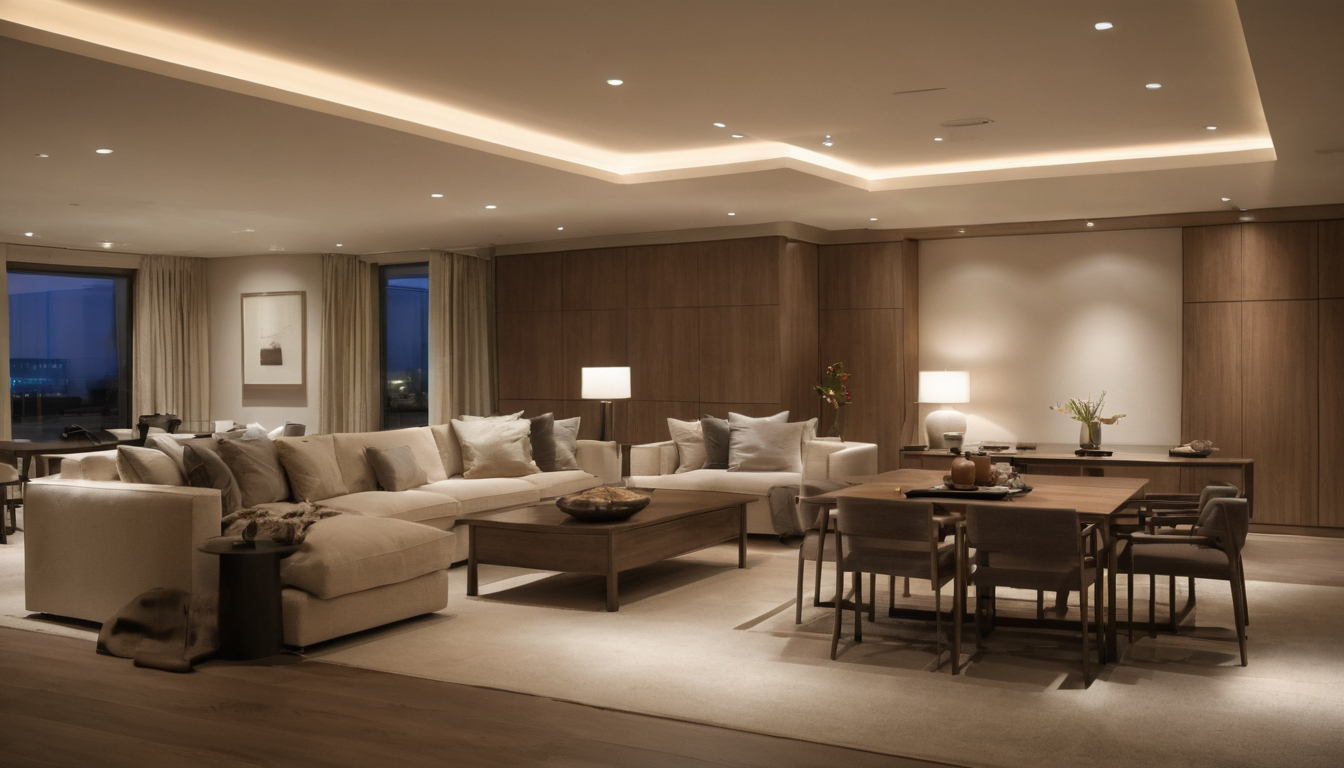
What should “lighting design included” mean in a residential interior design proposal shown with finish, fixture, and clearance relationships visible.
A lighting layout is not automatically a complete lighting design service
Before appointing an interior designing company, identify which services the fee includes:
- Concept: atmosphere, focal points and lighting functions.
- Layouts: fixture positions aligned with furniture, joinery and ceilings.
- Technical design: calculations, specifications, controls and installation details.
- Specialist services: photometric assessment, glare review, scene setting and commissioning.
- Shop drawings: buildable routes and details based on approved information.
An electrical engineer may still need to validate loads, protection, wiring and submissions, especially for renovations, smart controls and integrated lighting.
The three lighting layers do not define the proposal deliverables
Ambient, task and accent describe functions, not documents. They confirm nothing about beam angle, glare, drivers or controls. Product performance matters: ENERGY STAR states that qualified LEDs use at least 75 percent less energy and can last up to 25 times longer than incandescent lighting. Compare stage-specific outputs instead.
Which lighting deliverables should an interior designing company issue at each project stage?
Proposals should assign outputs to concept, developed design, technical design, procurement, construction and handover. Compare documents, authors, reviewers, revision limits and approval status.
Concept lighting should define intent before it fixes products
The concept package should record room character, focal points, ceiling integration, indicative fixture families, colour temperature, dimming expectations and budget allowances.
| Stage | Minimum output | Scope test |
|---|---|---|
| Concept | Narrative and intent plan | Client approval |
| Developed design | Layout and fixture families | Design review |
| Technical design | Plans, schedule, controls and details | Issued for pricing |
| Procurement | Submittal and substitution reviews | Cycles stated |
| Construction | Shop drawings and inspections | Visits stated |
| Handover | Snags, settings and as-builts | Acceptance recorded |
Technical information should support coordinated pricing and installation
The RIBA Plan of Work is a process framework, not a UAE appointment template. Require reflected ceiling plans, schedules and control drawings before coordinating beam angles, circuiting, and ceiling access during fit-out. Shop drawings should develop approved information, not replace missing design.
Construction-stage services need stated limits
Price inspections, requests for information, samples, substitutions, snagging, aiming, programming and as-built checks. Define visit limits, review authority and additional-service triggers.
Does the residential lighting scope include calculations and a complete fixture schedule?
Calculations are warranted when visual comfort, task performance, uniformity, glare or authority requirements cannot be verified by spacing alone. The proposal should name assessed rooms, assumptions and schedule fields.
Calculations should answer room-specific questions
They are particularly useful in kitchens, bathrooms, studies, stairs, double-height rooms, artwork zones and exterior thresholds. Simpler decorative spaces may use manufacturer photometry and mock-ups. The CIBSE lighting tips address illuminance, uniformity, shadows, reflections and glare, although their stated context is workplaces.
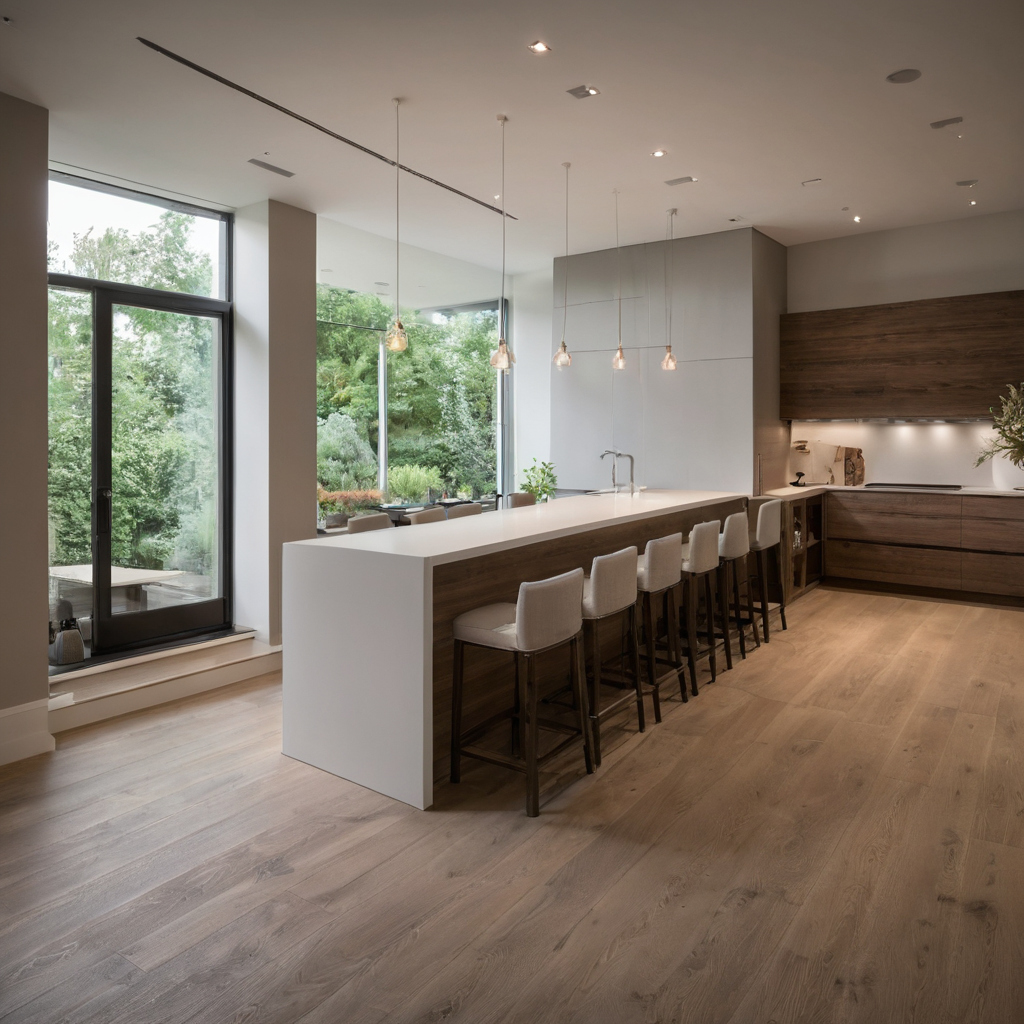
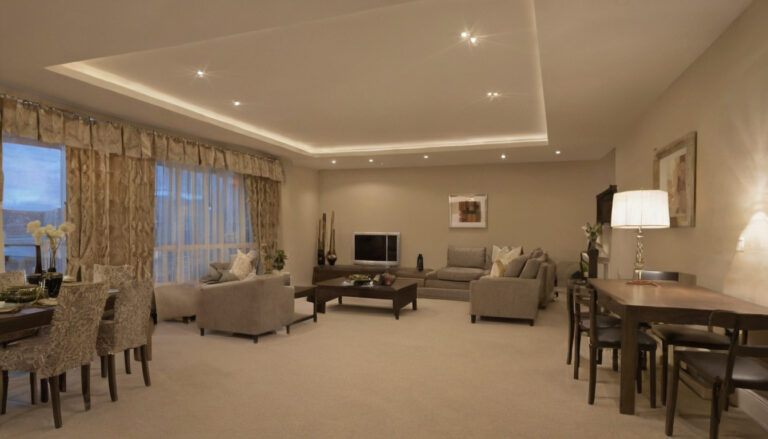
Does the residential lighting scope include calculations and a complete fixture schedule shown as a planning reference for layout, scale, and material decisions.
- Inputs: dimensions, mounting heights, work planes, reflectances and maintenance assumptions.
- Outputs: maintained illuminance, uniformity and relevant glare information.
A fixture schedule should specify performance and appearance
A product image cannot support dependable pricing or coordination. The SLL publication list covers lighting principles, controls, colour and reflectance, though not every guide applies to private homes.
- Record manufacturer, model, lumens, wattage, beam angle, colour temperature, colour rendering, driver, dimming protocol and ingress protection.
- Record cut-out, ceiling depth, finish, accessories, quantity, supplier, lead time, warranty and substitution procedure.
Bathroom specifications must reflect wet-area conditions
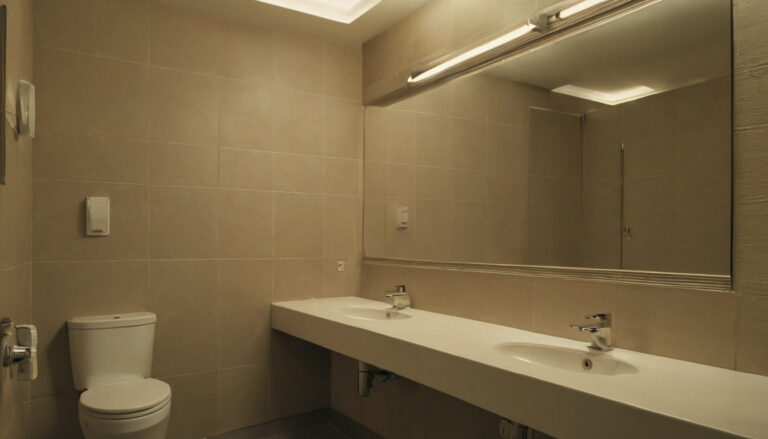
Schedules must connect each location with wet-area suitability, mirror tasks, switching, ceiling construction and maintenance access. The electrical engineer should confirm applicable UAE authority, utility, developer and building-management requirements. Missing protection evidence, driver access or dimming compatibility can force substitution and rework.
Are lighting controls, samples, mock-ups, and commissioning included in the proposal?
The scope is incomplete if controls and final adjustment remain undefined. Smart, scene-based or tunable installations need control logic, compatibility checks, programming, testing, aiming, training and defect support.
The control narrative should describe operation
Define scenes, dimming, sensors, keypad functions and overrides. Before procurement, confirm compatibility among luminaires, drivers, dimmers, gateways and keypads.
Samples and mock-ups need a defined approval consequence
A physical sample proves finish; an illuminated sample tests colour, beam quality, glare and dimming. State the test location, approval record, costs and responsibility if a product fails review.
Commissioning should end with records and training
Commissioning should cover circuit verification, dimming range, flicker, scenes, sensors, aiming, labels and defects. Handover should include settings, warranties, maintenance guidance, as-built fixture codes and client training.
Who is responsible for lighting design, electrical engineering, approvals, procurement, and installation in the UAE?
A signed responsibility matrix must allocate design intent, calculations, submissions, procurement, installation, programming and commissioning.
A responsibility matrix should assign every deliverable
Cover the client, interior designer, lighting designer, architect, electrical consultant, contractor, automation specialist and supplier. Distinguish design, review, approval, certification and attendance, including who signs submissions.
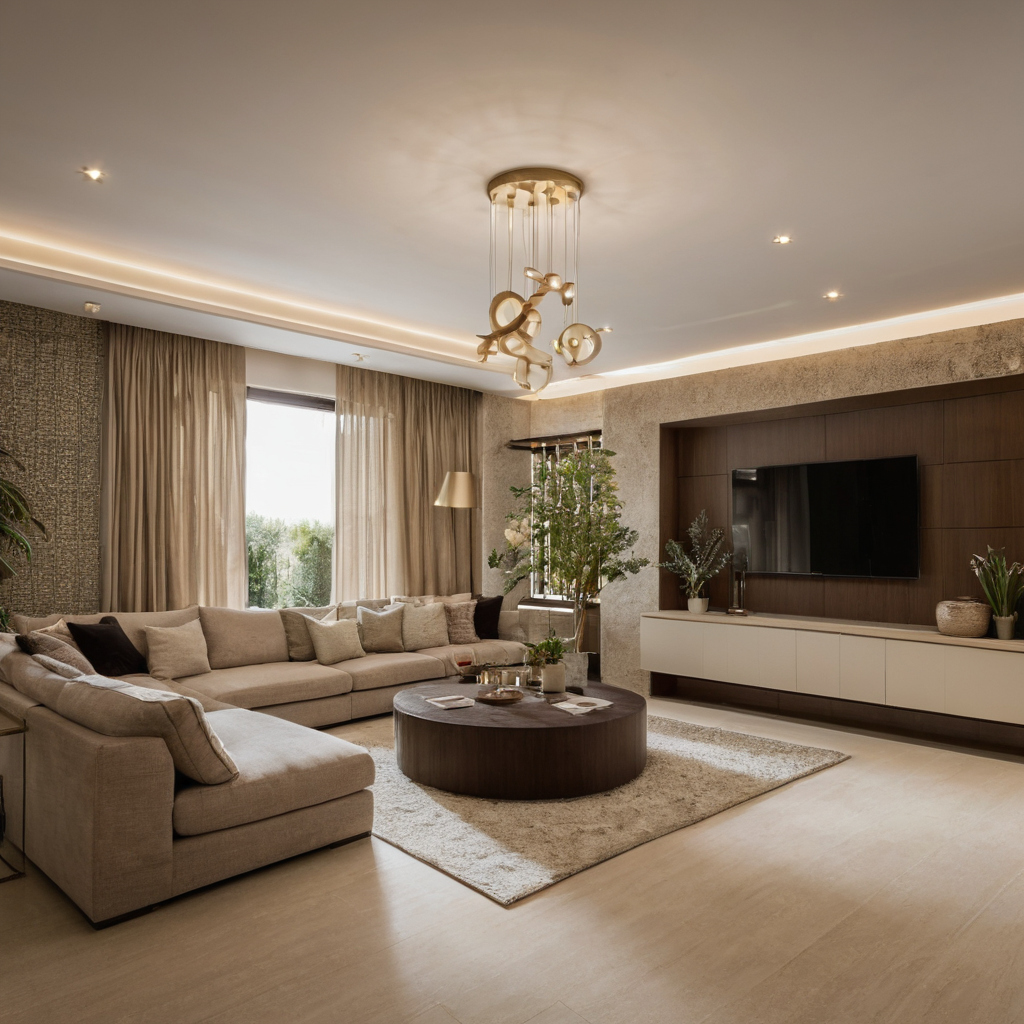
Who is responsible for lighting design, electrical engineering, approvals, procurement, and installation in the UAE shown with floor, wall, and fixture relationships visible.
UAE approvals depend on location and alteration type
Identify applicable emirate, utility, free-zone, developer and building-management requirements. Also allocate responsibility for substitutions, customs, storage, damage, accessories and warranty claims.
How should clients compare lighting fees, exclusions, and proposal red flags?
Normalize proposals against the same deliverables before comparing fees. A lower price may cover layouts only; a higher price may include calculations, coordination, site reviews and commissioning.
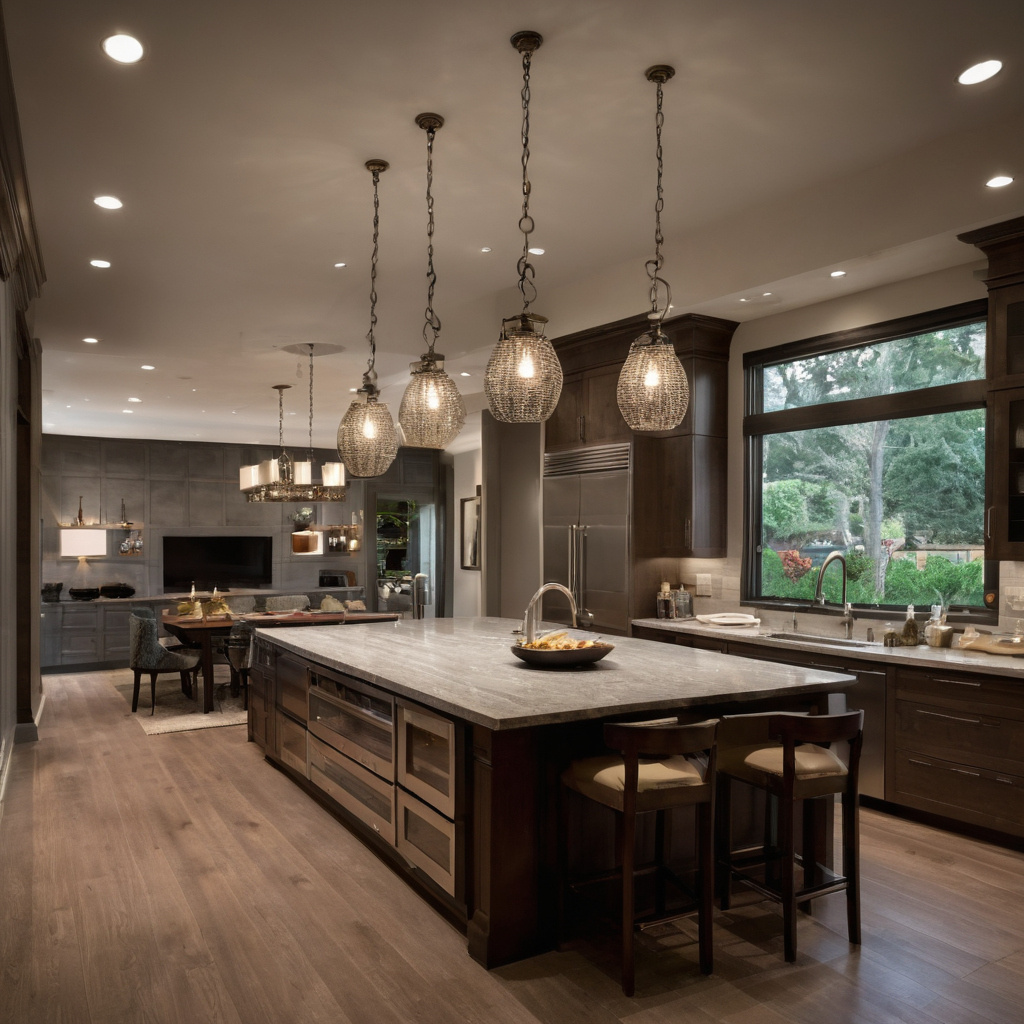
How should clients compare lighting fees, exclusions, and proposal red flags shown as a planning reference for layout, scale, and material decisions.
Red flags are omissions, not simply low fees
| Proposal structure | Gap to clarify |
|---|---|
| Design fee only | Calculations, site services and commissioning |
| Fixtures bundled | Mark-ups, substitutions and warranties |
| Contractor design | Photometry, programming and approval |
Challenge phrases such as “design by supplier,” “coordination included” and “as required.” Undefined ownership can cause glare, incompatible dimming, inaccessible drivers and ceiling rework.
Convert promises into measurable deliverables
Request named outputs, issue dates, revision counts, responsible parties, site attendance, commissioning and handover records. Put every clarification into the signed appointment.
Frequently asked questions
What does lighting scope mean in an interior design proposal?
It defines the drawings, calculations, specifications, controls, coordination, reviews and handover services included in the fee, plus responsibility for each output.
Do the three types of lighting prove that a scope is complete?
No. Ambient, task and accent describe functions, not calculations, specifications, control compatibility or commissioning.
Should an interior designing company provide calculations for every room?
Not necessarily. Calculations should answer performance or compliance questions. Simpler spaces may use verified photometry and mock-ups if the proposal states that method.
Who handles lighting approvals on a UAE residential project?
The responsibility matrix should identify who handles submissions. Required approvals depend on location, alteration type, utility, developer and building management.
Does the 3-5-7 rule or 5-foot-7 lighting rule replace calculations?
No. Informal rules cannot account for geometry, reflectance, photometry, mounting height, glare, task location or wet-area requirements.