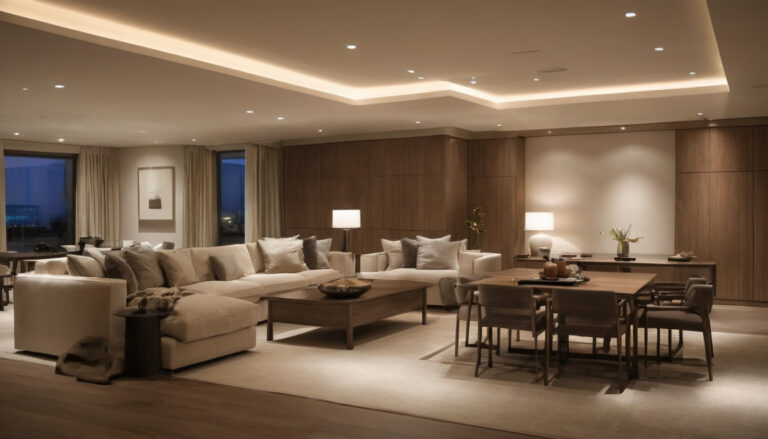
Ceiling Lighting Plans That Survive Fit-Out: Beam Angles, Circuiting, and Access Panels
Before a gypsum ceiling is closed, the team must decide where light lands, how it switches, which services share the void, and how concealed parts will be reached after handover. If these decisions stay separate, the finished room can inherit glare, patching, failed dimming, blocked AC access, or buried drivers.
A ceiling lighting plan survives fit-out only when beam angles, circuits, services, and access are designed together
A ceiling lighting plan works on site when the home interior design team freezes four items before closure: beam intent, circuit logic, MEP coordination, and maintenance access. This is critical in UAE apartments and villas, where false ceilings often carry lighting, AC, fire devices, speakers, curtain tracks, and controls in one shallow zone.
The homeowner, interior designing company, MEP contractor, gypsum contractor, electrician, and lighting supplier need one agreed ceiling package: reflected ceiling plan, lighting schedule, switching plan, MEP coordination drawing, and access-panel layout.
- Coordinate ceiling objects: downlights, linear lights, coves, AC diffusers, return grilles, sprinklers, smoke detectors, speakers, sensors, cameras, and curtain tracks.
- Inspect before boarding: cable routes, driver positions, duct clashes, cut-out centres, ceiling drops, and wet areas. The U.S. Environmental Protection Agency guide to mold and moisture says damp spots should be fixed promptly to help prevent mold growth.
- Inspect before paint: alignment, access-panel gaps, dimmer response, cove cleanliness, and ventilation. The U.S. Environmental Protection Agency recommends increasing ventilation when indoor products emit VOCs.
Lower-risk late changes include approved colour temperature within the same fixture family, trim finish, and scene programming. High-risk changes include moving cut-outs, changing recessed linear profiles, adding circuits, or relocating access panels.
Beam angle selection should start from ceiling height, task location, and glare control
Choose beam angle from the target surface, not from the ceiling symbol. The same downlight can create a tight accent, a task pool, or a patchy floor pattern depending on height, output, shielding, and finish reflectance.
Use this site estimate before fixing cut-outs: beam diameter roughly equals 2 × throw distance × tan(beam angle ÷ 2). Throw distance is from the light to the target plane, so a kitchen counter uses the distance to the worktop, not the floor.
| Ceiling height | 24° narrow beam | 36° medium beam | 60° wide beam |
|---|---|---|---|
| 2.4 m | About 1.0 m pool | About 1.6 m pool | About 2.8 m pool |
| 2.7 m | About 1.2 m pool | About 1.8 m pool | About 3.1 m pool |
| 3.0 m | About 1.3 m pool | About 2.0 m pool | About 3.5 m pool |
| 3.3 m | About 1.4 m pool | About 2.1 m pool | About 3.8 m pool |
Treat the table as a first filter, not a spacing rule. Lumens describe output, lux describes light arriving on a surface, and beam angle describes distribution. Dark finishes, deep trims, wide baffles, low-output lamps, and high ceilings can make the same beam feel weaker.
Aim light at walls when the room needs perceived brightness, depth, or display value. Living rooms often feel calmer when perimeter walls, curtains, joinery, or artwork receive light. Grazing light can expose uneven gypsum, stone, or microcement.
Overhead lighting feels harsh when glare, contrast, and poor control meet. Common causes include downlights above faces, shiny floors, glossy counters, low ceilings, cool colour temperature, shallow fixtures with poor shielding, and every fitting wired to one switch. Use narrow beams for accents, medium beams for counters and wardrobes, wider beams for circulation, and dimming or lamps where ceiling light alone creates facial shadows.
Circuiting decides whether a ceiling lighting layout feels flexible or permanently wrong
Group ceiling lighting by function, scene, and daylight condition rather than by simple rows. Ambient, task, and accent lighting should not all switch on together unless the room is small and the budget demands simplicity. Ambient light supports movement, task light serves counters, mirrors, wardrobes, desks, and reading positions, and accent light handles coves, wall washers, shelves, artwork, or pendants.
Typical better grouping separates living-room downlights, coves, wall washers, and pendants; kitchen general lighting, island lighting, and under-cabinet lighting; bedroom entry, bedside, wardrobe, and night lighting; and bathroom mirror lighting from ceiling lighting. If combined, rooms feel flat, cooking light becomes harsh for dining, bedrooms wake both occupants, and bathrooms shadow faces or become too bright at night.
Control type must match the fixture and driver. Standard switches suit simple zones. Phase dimming, 0-10V, DALI, smart relays, and smart switches need compatible drivers and accessible gear. The DALI Alliance describes DALI as a dedicated digital lighting-control protocol, so it should be specified as a system rather than added as a late switch upgrade.
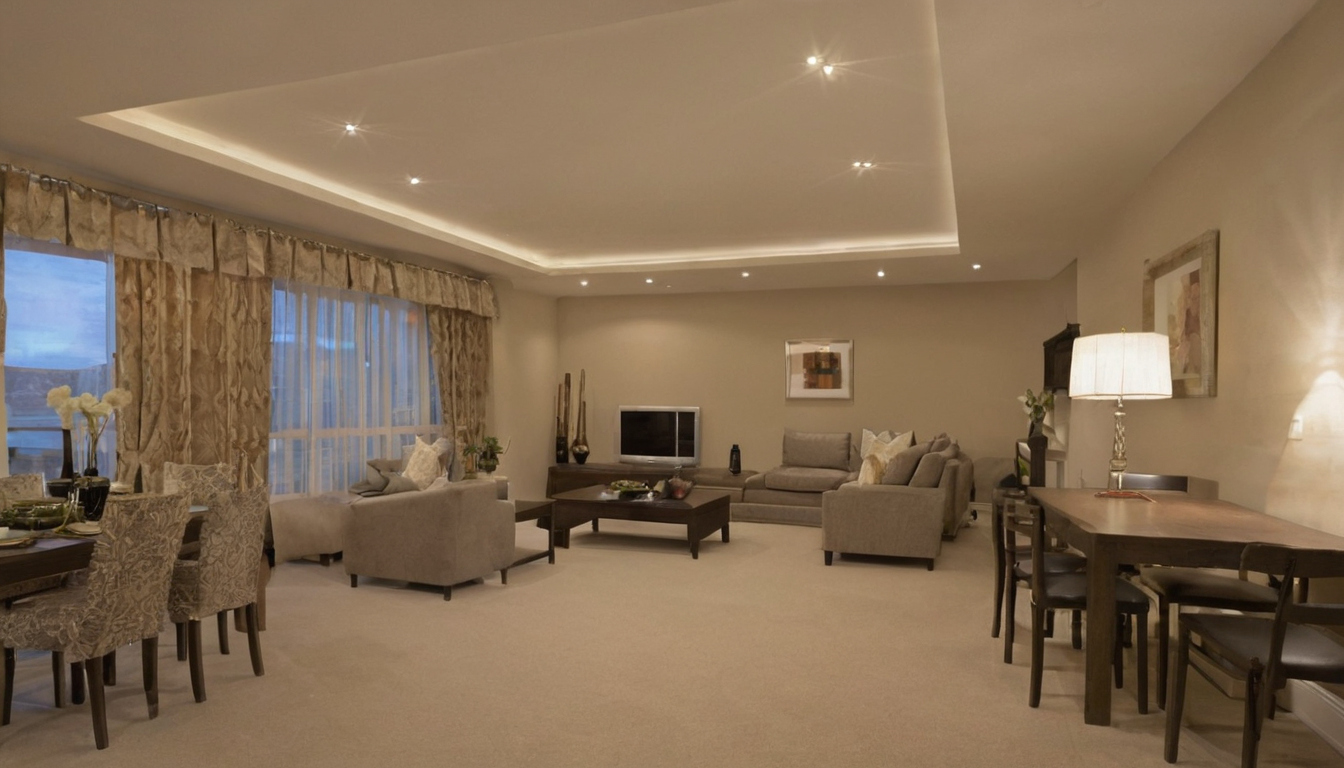
Circuiting decides whether a ceiling lighting layout feels flexible or permanently wrong shown as an editorial planning reference.
Costly mistakes include no neutral where a smart control needs one, dimmable and non-dimmable fittings mixed on one circuit, drivers buried without access, overloaded driver groups, missing two-way switching, and no separate night or cleaning circuit. Rectification can mean opening the ceiling, chasing walls, adding surface trunking, or accepting awkward switch logic.
Electrical compliance should follow local authority, building-management, consultant, and contractor requirements. Where referenced, BS 7671 is the IET Wiring Regulations for electrical installations, and ASHRAE Standard 62.2 addresses residential ventilation and indoor air quality. For energy planning, ENERGY STAR states that qualified LED lighting uses at least 75 percent less energy and lasts up to 25 times longer than incandescent lighting, but life still depends on compatible drivers, ventilation, and access.
MEP coordination prevents ceiling lights from fighting AC diffusers, sprinklers, detectors, and speakers
Combine lighting and building services on one coordination drawing before procurement. Downlights often clash with AC diffusers, sprinkler heads, smoke detectors, speakers, cameras, and access hatches, affecting fixture depth, fire-safety locations, heat clearance, and maintenance routes.
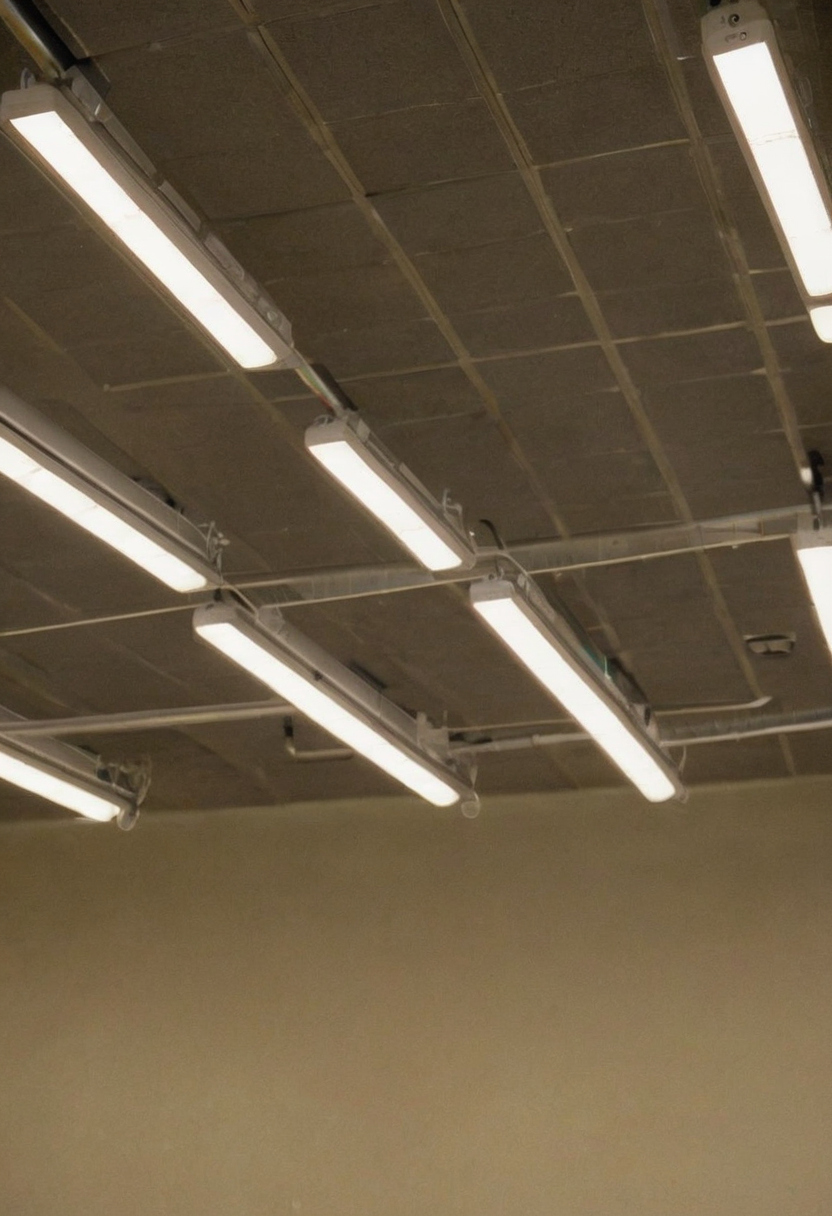
MEP coordination prevents ceiling lights from fighting AC diffusers, sprinklers, detectors, and speakers shown as an editorial planning reference.
The drawing should show visible items such as downlights, pendants, linear lights, coves, AC diffusers, return grilles, sprinklers, smoke detectors, speakers, cameras, sensors, curtain tracks, and access panels. It should also show ducts, chilled-water or refrigerant lines, conduits, junction boxes, LED drivers, transformers, control modules, curtain motor feeds, smart-home equipment, landlord comments, MEP markups, fire notes, and manufacturer clearances.
AC distribution should lead the first ceiling grid. Linear diffusers can align with coves or slots. Square diffusers can sit on a centreline with downlights grouped around them. Return grilles should stay reachable and should not be framed so tightly by lights that service visits risk paint or gypsum damage. In kitchens and bathrooms, AC performance, condensation control, and access usually matter more than exact visual spacing.
Sprinkler heads, smoke detectors, fire alarm devices, and emergency lighting where required are not decorative accessories. Moving them normally requires building-management review and, where applicable, approval through the relevant fire-safety route and approved contractors. Private galleries or homes with valuable collections need stricter thinking; the National Park Service Museum Handbook gives preservation guidance for collections, documentation, access, and use.
Access panels should be planned as maintenance points, not hidden as afterthoughts
Place access panels before ceiling framing, align them with room geometry, and size them for equipment removal plus hand clearance. LED drivers, low-voltage transformers, smart-lighting modules, dimming interfaces, junction boxes, AC dampers, FCU service points, chilled-water or condensate valves, and concealed curtain motors should not be buried behind sealed gypsum.
Access panels look intentional when they follow ceiling logic. Use gypsum-infill panels in painted ceilings, metal panels in service corridors, tile hatches in bathrooms, magnetic panels for small control points, and removable cove sections where linear drivers sit inside coves. Align panels with wardrobe runs, corridor axes, coffers, cove returns, curtain pockets, or service zones. Access, lighting, gypsum, and MEP should also sit inside the wider villa construction and finish-level budgeting conversation.
A fit-out-ready lighting specification must define fixture, driver, finish, warranty, and procurement substitutions
Turn the ceiling layout into a purchase-ready schedule before orders are placed. A drawing that only shows circles leaves the supplier, electrician, gypsum team, and interior decoration company guessing.
A residential schedule should include room, fixture code, quantity, model, beam angle, lumen output, wattage, CCT, CRI, trim colour, cut-out diameter, recess depth, IP rating, driver type, dimming type, circuit reference, access-panel location, warranty note, and lead time. Bathroom, kitchen, balcony-adjacent, and damp-area fittings need IP rating evidence from the manufacturer data sheet.
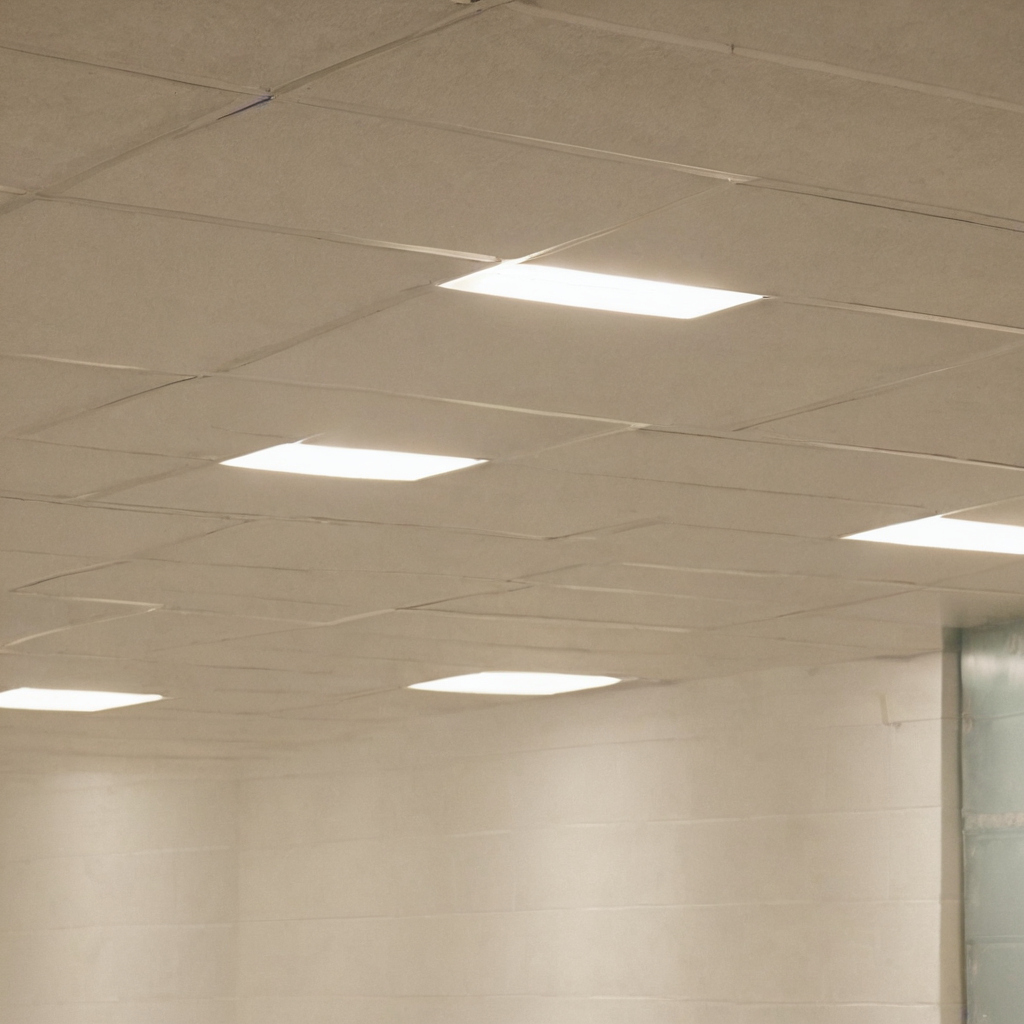
A fit-out-ready lighting specification must define fixture, driver, finish, warranty, and procurement substitutions shown with practical context cues.
A safe substitution matches the approved fixture on cut-out size, recess depth, beam angle, lumen output, CCT, CRI, dimming protocol, driver requirements, warranty conditions, and visible finish. Redesign is required when the alternative changes trim diameter, beam spread, driver type, dimming compatibility, IP rating, finish tone, or replacement-part availability. Approve a live sample before bulk delivery.
The final site sequence should test lighting before paint, ceiling closure, and handover
Test lighting while correction is still cheap. Pre-closure inspection should confirm conduit routes, circuit labels, driver positions, access points, fixture depth clearance, MEP clashes, approved cut-out sizes, cable slack, and control wiring. The contractor should photograph the open ceiling before boarding. Closure should wait if a driver is unreachable, a downlight clashes with ductwork, or a cut-out differs from the approved fixture.
Night testing reveals flicker, weak dimming range, wrong grouping, wall-wash scallops, glare from sofas, mirror shadows, cove hotspots, and pendant misalignment. Handover should include the as-built lighting plan, driver locations, warranty cards, dimmer settings, scene labels, and spare fixture references.
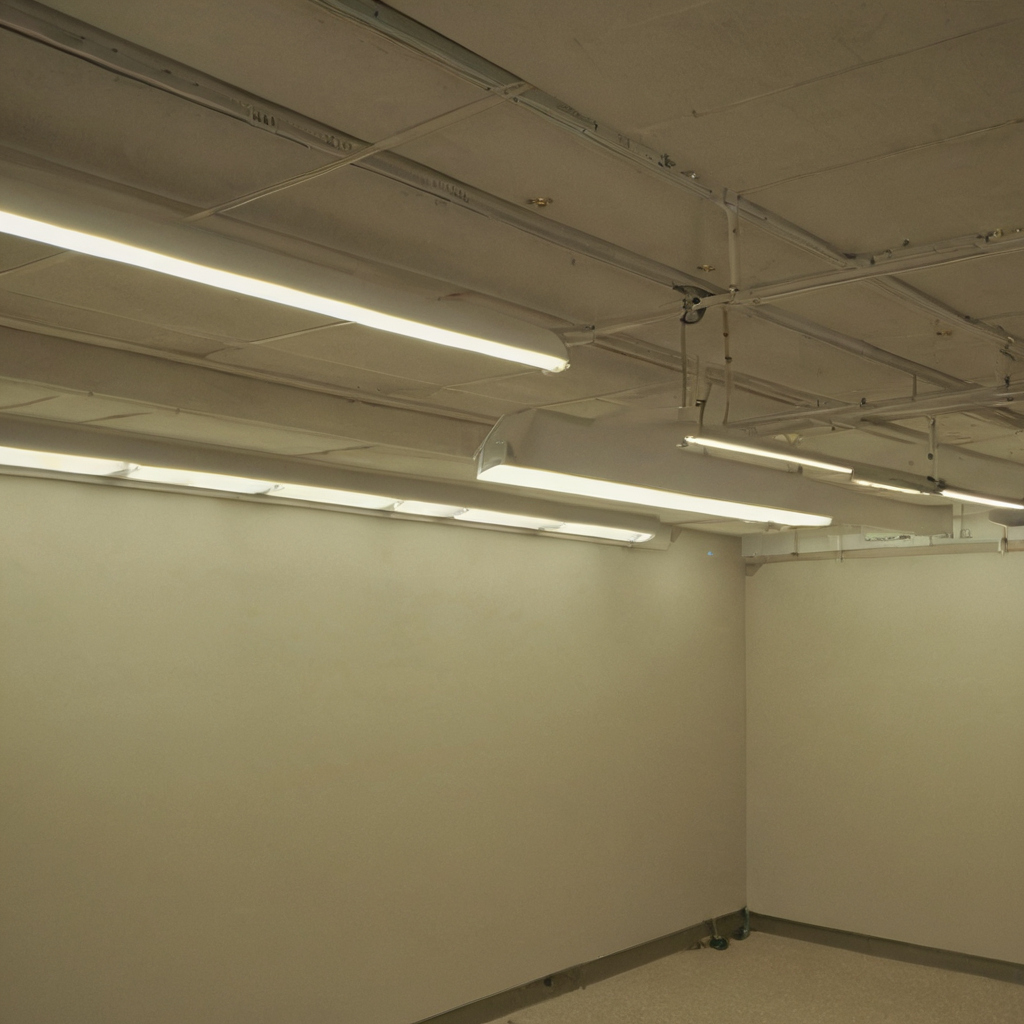
The final site sequence should test lighting before paint, ceiling closure, and handover shown as an editorial planning reference.
FAQ
What beam angle is best for residential ceiling downlights?
No single beam angle is best. Use narrow beams for accents, medium beams for counters and wardrobes, and wider beams for general circulation, then check ceiling height, target distance, glare, and fixture output.
What is the three-layer lighting rule and does it require separate circuits?
The three layers are ambient, task, and accent lighting. The rule only works well when each layer has separate switching or dimming.
Why do some people dislike overhead lighting in finished rooms?
Overhead lighting feels uncomfortable when fittings sit above faces, glare reflects from shiny floors, colour temperature feels too cool, fixtures lack shielding, or all ceiling lights share one switch.
Do LED drivers and transformers need access panels in a false ceiling?
Yes. Concealed drivers, transformers, control modules, and junction boxes should remain reachable for inspection, replacement, ventilation checks, and warranty-related service.
Can ceiling lights be moved after gypsum work has started?
Small finish changes may remain possible, but moving cut-outs, adding circuits, changing recessed profiles, or relocating access panels can require patching, rewiring, repainting, and new coordination approvals.